

Affiliate marketing for beginners often sounds like a dream job: share links, earn commissions, and build a passive income stream from anywhere. But the reality isn’t so glossy. It’s not a get-rich-quick scheme, and success requires strategy, persistence, and a willingness to learn. This guide reveals the hard truths about affiliate marketing for beginners, offering practical, actionable steps to help you start, avoid common mistakes, and grow a sustainable income. Whether you’re new to the game or struggling to see results, these insights will set you on the right path while keeping your content optimized for Google and engaging for readers.
What Is Affiliate Marketing, Anyway?
Affiliate marketing is a performance-based model where you earn a commission by promoting products or services. As an affiliate, you share a unique link, and when someone clicks and makes a purchase, you get a percentage. It connects three parties: you (the affiliate), the merchant (the company), and the customer.
For beginners, affiliate marketing can seem deceptively simple. But it’s not just about posting links and waiting for cash. It’s about building trust, driving the right traffic, and creating value—skills that take time to develop. Let’s explore the challenges and how to overcome them.
Hard Truth #1: “Passive Income” Takes Serious Upfront Work
Many beginners are drawn to affiliate marketing for the promise of “passive income.” But here’s the truth: it’s not passive at the start. You’ll need to invest significant time in:
-
Creating valuable content: Whether it’s a blog, YouTube channel, or social media, your platform must offer solutions or insights to attract an audience.
-
Learning SEO: Ranking on Google means understanding keywords, optimizing content, and earning backlinks.
-
Building trust: Readers won’t click your links if they don’t trust you. Authenticity is everything.
What to do: Choose a niche you’re passionate about, like sustainable living, pet care, or budget travel. Create specific, helpful content that answers real questions. For example, instead of “best pet products,” write “best chew toys for teething puppies.” Tools like AnswerThePublic can help you find what your audience is searching for. Aim to publish 2–3 posts per week to build a strong foundation.
Example: Sarah, a beginner in affiliate marketing, started a blog about sustainable living. She targeted “eco-friendly kitchen gadgets for small apartments,” using long-tail keywords to rank on Google’s second page within three months. Her first $50 commission from Amazon Associates came from a detailed product review that resonated with her audience.
Learn how to research your niche effectively in our guide on niche selection
Hard Truth #2: Traffic Doesn’t Guarantee Earnings
You might drive thousands of visitors to your site, but if they don’t click your links or buy, you earn nothing. Conversion rates in affiliate marketing for beginners often range from 1 to 5%, depending on the niche and product.
What to do: Focus on targeted traffic. Use long-tail keywords like “best wireless earbuds for running” to attract readers with buying intent. Join high-paying affiliate programs to boost earnings. Amazon Associates offers 1–10% commissions, while niche programs like Bluehost (web hosting) or Thinkific (online courses) pay $50–$200 per sale. Place links naturally—within product comparisons or near calls-to-action like “See the latest price here.”
Pro tip: Test link placements. Contextual links (embedded in relevant text) convert 3x better than banner ads, according to Affise. Use tools like Pretty Links to create clean, trackable URLs that don’t scream “affiliate.”
Hard Truth #3: You’re Competing with Experienced Marketers
The affiliate marketing space is crowded. Established sites with years of authority, big budgets, and SEO expertise dominate competitive niches like tech, finance, and health. For beginners, affiliate marketing can feel like a David vs. Goliath battle.
What to do: Find a micro-niche with less competition. Instead of “fitness,” try “home workouts for older adults.” Use free tools like Ubersuggest or Keywords Everywhere to find keywords with 500–5,000 monthly searches and low difficulty. Platforms like Pinterest and TikTok can also drive traffic faster than blogs, especially for visual niches like fashion or DIY crafts. Learn more about choosing a niche in our guide on starting a blog.
Example: Jake, a college student, started a TikTok account reviewing budget gaming accessories. By targeting “best gaming mouse under $30,” he gained 10,000 followers in six months and earned $200 from a Razer affiliate program. His authentic, short videos showcasing real product use made all the difference.
Hard Truth #4: Results Take Time—Often 6–12 Months
Don’t expect overnight success. Google favors aged domains and consistent content, so new sites often take 6–12 months to gain traction. Even with steady effort, your first $100 might take months.
What to do: Set realistic goals. Publish 2–3 SEO-optimized posts weekly, each targeting a specific keyword. Use Google Keyword Planner to find terms with decent volume and low competition. Track progress with Google Analytics and Search Console to see which posts drive traffic. Celebrate small wins, like your first click or $10 commission.
Pro tip: Repurpose content to maximize reach. Turn a blog post into a YouTube video or Pinterest pin. A “best travel backpacks” post could become a video review, an infographic, and a social media thread, amplifying your audience.
Hard Truth #5: Ethics Build Long-Term Success
Spamming links, writing fake reviews, or pushing low-quality products might earn quick cash, but it’s a losing strategy. Readers can spot inauthenticity, and Google penalizes shady tactics. Plus, unethical practices can get you banned from affiliate programs.
What to do: Be transparent. Disclose affiliate links (e.g., “This post contains affiliate links, meaning I may earn a commission at no extra cost to you”). Only promote products you’ve tested or researched thoroughly. If you’re in the pet niche, share your experience with a dog toy or cite trusted reviews. Trust turns one-time visitors into loyal readers who convert.
Example: Emma, a parenting blogger, only recommends baby products she’s used with her kids. Her honest review of a $50 baby monitor, complete with pros and cons, earned $300 in commissions because readers trusted her authenticity.
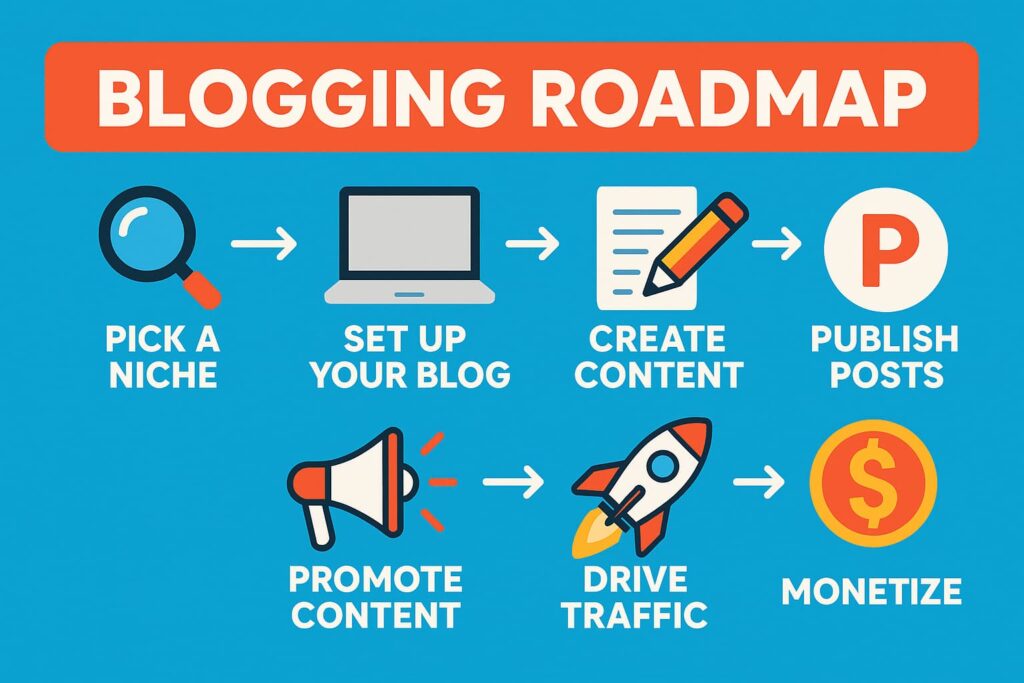
Your Affiliate Marketing Roadmap: 7 Steps for Beginners
Ready to jump into affiliate marketing for beginners? Follow this step-by-step plan:
-
Pick a Profitable Niche: Choose a topic you love with strong affiliate programs. Check platforms like ShareASale or ClickBank for commission rates.
-
Set Up a Platform: Start a blog with WordPress (affordable and SEO-friendly) or a YouTube channel. Blogs offer more control for SEO.
-
Join Affiliate Programs: Apply to Amazon Associates, Rakuten, or niche-specific programs like ConvertKit (email marketing) or REI (outdoor gear).
-
Create Stellar Content: Write reviews, how-to guides, or listicles (e.g., “7 Must-Have Tools for Freelancers”). Embed affiliate links naturally.
-
Drive Targeted Traffic: Optimize for SEO, share on social media, and build an email list to nurture your audience.
-
Track and Tweak: Use Google Analytics and affiliate dashboards to monitor clicks, conversions, and earnings. Refine what works.
-
Scale Smartly: Once you’re earning, reinvest in tools (e.g., Ahrefs for keyword research) or outsourcing (e.g., hiring writers).
Common Mistakes Beginners Make (And How to Avoid Them)
-
Chasing Fads: Jumping between niches like crypto or keto dilutes your authority. Stick to one niche for at least a year.
-
Neglecting SEO: Unoptimized content won’t rank. Learn on-page SEO basics (title tags, meta descriptions, alt text). Check out our SEO tips for beginners.
-
Spamming Links: Too many links feel salesy. Aim for 2–3 links per 1,000 words, placed contextually.
-
Skipping Product Research: Promoting untested products risks your reputation. Always vet items for quality and relevance.
-
Ignoring Analytics: Without data, you’re guessing. Check which posts drive traffic and conversions, then double down.
Case Study: From $0 to $1,000/Month in 18 Months
Lisa, a teacher, started a blog about homeschooling resources, focusing on “STEM activities for elementary students.” She joined affiliate programs like Teachers Pay Teachers and KiwiCo, which paid $5–$20 per sale. Lisa published one detailed post weekly, targeting keywords like “best science kits for kids.” By month six, she had 20 posts and 1,000 monthly visitors. By month 18, her site ranked for 50+ keywords, driving 10,000 visitors and $1,000/month in commissions. Her strategy? Consistent content, honest reviews, and Pinterest for traffic.
Why Affiliate Marketing Is Worth the Effort
Affiliate marketing for beginners isn’t easy, but it’s rewarding. You can work from anywhere, scale your income, and build a business around your passions. With dedication, you could earn $500–$5,000/month within 1–2 years. Top affiliates even hit six figures annually.
The key? Treat it like a business. Stay consistent, keep learning, and prioritize value over quick wins. The hard truths are your guideposts—embrace them, and you’ll build something lasting.
Get step-by-step guidance here: Join the Affiliate Masterclass Now

